Hot Wallets vs. Cold Wallets: How to Secure Your Crypto in 2026
The first rule of crypto club is simple: Not your keys, not your coins.
In 2026, after witnessing the collapse of giant exchanges and countless hacking scandals, this rule is more important than ever. If you leave your money on an exchange like Binance or Coinbase, you don’t actually own it—you just have an IOU (I Owe You) from the company.
To truly own your assets, you need a personal wallet. But which type should you choose? The convenience of a Hot Wallet or the fortress-like security of a Cold Wallet?
Here is the definitive guide to Hot Wallets vs. Cold Wallets and how to choose the right setup for your portfolio.
What is a Hot Wallet?
A Hot Wallet is a cryptocurrency wallet that is connected to the internet. Think of it like your physical wallet or your checking account. It is meant for spending and daily usage.
Examples: MetaMask, Trust Wallet, Phantom, Exodus.
- The Pros:
- Convenience: You can access your funds instantly from your phone or browser.
- DeFi Access: You need a hot wallet to interact with decentralized apps (buying NFTs, swapping coins on Uniswap).
- Free: Most hot wallet software is free to download.
- The Cons:
- Security Risk: Because it is always online, it is vulnerable to hackers, phishing scams, and malware. If your computer gets a virus, your hot wallet can be drained.
Verdict: Use a Hot Wallet for small amounts of money (money you are willing to lose) or for active trading. Never store your life savings here.
What is a Cold Wallet?
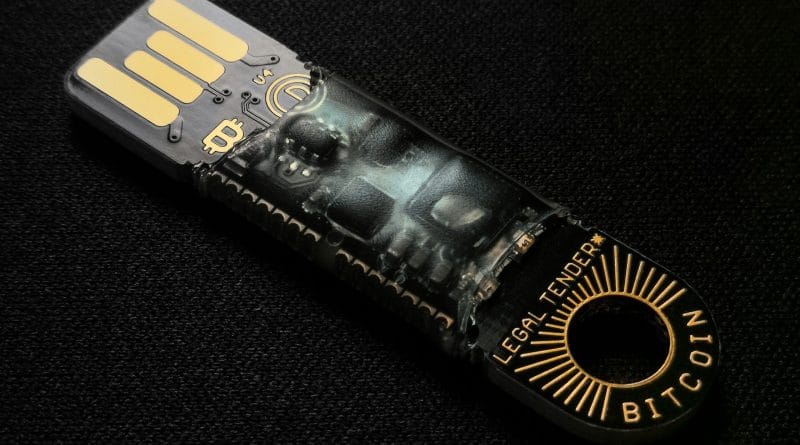
A Cold Wallet (or Hardware Wallet) is a physical device that keeps your private keys offline. Think of it like a vault or a savings account buried in your backyard.
Examples: Ledger Nano X, Trezor Safe 3, Tangem.
- The Pros:
- Un-hackable: Since the device is not connected to the internet, hackers cannot touch it remotely. Even if you plug it into an infected computer, your keys remain safe inside the device.
- Physical Confirmation: To send money, you must physically press buttons on the device. A hacker cannot do this from Russia or North Korea.
- The Cons:
- Cost: Good hardware wallets cost between $70 and $200.
- Inconvenience: You have to carry the device with you to make transactions.
- Loss Risk: If you lose the device AND your backup phrase (seed phrase), your money is gone forever.
Verdict: Use a Cold Wallet for long-term holding (HODLing). This is where your Bitcoin and Ethereum should sleep for years.
The Hybrid Strategy: Best of Both Worlds
You don’t have to choose just one. The smartest investors in 2026 use a combination of both Hot Wallets vs. Cold Wallets.
The 90/10 Rule:
- 90% in Cold Storage: Take the bulk of your wealth and move it to a Ledger or Trezor. Put the recovery phrase on paper (never digital!) and hide it in a fireproof safe.
- 10% in Hot Wallets: Keep a small amount of “play money” in MetaMask for trading, buying NFTs, or trying out new projects.
Security Tips for 2026
Regardless of which wallet you choose, follow these three commandments to avoid being a victim:
- Never Share Your Seed Phrase: No support agent, no website, and no “validator” will EVER ask for your 12 or 24 words. If someone asks, it is a scam.
- Use a VPN: When checking your crypto on public Wi-Fi (like at a cafe), always use a VPN to encrypt your connection.
- Double-Check Addresses: Malware can swap copied addresses in your clipboard. Always check the first 4 and last 4 characters of an address before clicking “Send.”
Conclusion
Understanding the battle of Hot Wallets vs. Cold Wallets is the first step to financial sovereignty.
Convenience is the enemy of security. Taking the extra step to buy a hardware wallet might seem annoying today, but it is the only thing standing between your digital wealth and the dangers of the internet.