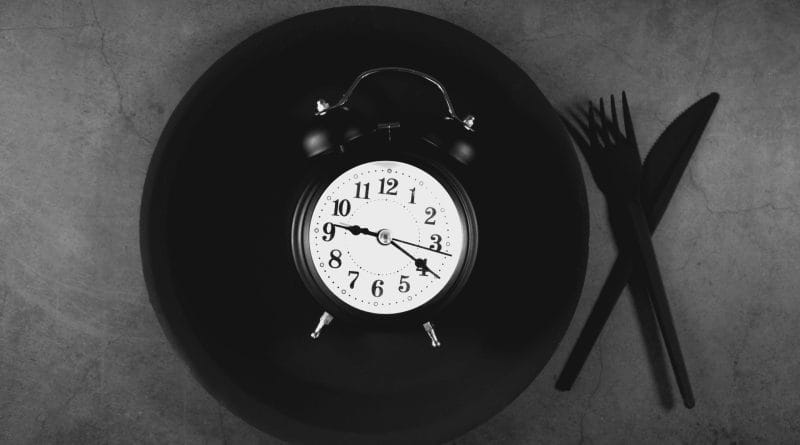
Intermittent Fasting 16/8: The Complete Guide for Beginners in 2026
Diets come and go. Keto, Paleo, Vegan—they all have rules about what to eat. But Intermittent Fasting 16/8 is different. It doesn’t care what you eat; it cares when you eat.
In 2026, this is no longer just a trend. It is a scientifically backed lifestyle adopted by CEOs, athletes, and celebrities. Why? Because it simplifies your life while improving your Health.
If you are tired of counting calories or weighing your food, the 16/8 method might be the perfect solution. Here is everything you need to know to get started safely.
What is the 16/8 Method?
The concept is incredibly simple:
- 16 Hours of Fasting: You consume zero calories. You can drink water, black coffee, or tea.
- 8 Hours of Eating: You eat all your meals within this “window” (e.g., 12:00 PM to 8:00 PM).
That’s it. There are no forbidden foods (though eating junk food will slow your results). By compressing your eating time, you naturally consume fewer calories without feeling deprived.
The Science: What Happens to Your Body?
When you eat all day long, your body runs on the glucose from your food. You never give it a chance to burn its stored energy (fat).
However, after about 12 hours of fasting, your insulin levels drop. Your body switches modes. It runs out of glucose and starts burning stored body fat for fuel. This metabolic switch is the magic of Intermittent Fasting 16/8.
According to Johns Hopkins Medicine, this process can also trigger autophagy—a “cellular cleanup” where your cells repair themselves and remove old, damaged parts.
Benefits Beyond Weight Loss
While most people start fasting to lose belly fat, they stay for the other benefits:
- Mental Clarity: Without the “sugar crash” of a heavy breakfast, many people report sharper focus and better productivity during the morning fast.
- Simplicity: You spend less time cooking, cleaning, and thinking about food.
- Insulin Sensitivity: It helps regulate blood sugar levels, reducing the risk of Type 2 Diabetes.
- Longevity: Some Medical Research suggests that fasting gives your digestive system a much-needed rest, potentially extending your lifespan.
How to Start: A Sample Schedule
The beauty of 16/8 is flexibility. You can choose the window that fits your life.
Option A: The “Skip Breakfast” (Most Popular)
- 7:00 AM: Wake up, drink water or black coffee.
- 12:00 PM: Break your fast (First Meal).
- 3:30 PM: Snack.
- 8:00 PM: Dinner (Last Meal).
- 8:00 PM – 12:00 PM Next Day: Fast.
Option B: The “Skip Dinner” (Better for Sleep)
- 8:00 AM: Breakfast.
- 12:00 PM: Lunch.
- 4:00 PM: Last Meal.
- 4:00 PM – 8:00 AM Next Day: Fast.
Common Mistakes to Avoid
Even though it is simple, beginners often make mistakes that ruin their progress.
- Mistake #1: Overeating in the Window. Just because you fasted doesn’t mean you can eat three pizzas. You still need to eat nutritious whole foods.
- Mistake #2: Drinking “Dirty” Coffee. Adding sugar, milk, or cream to your morning coffee breaks the fast. Stick to black coffee or plain tea.
- Mistake #3: Ignoring Hydration. You get a lot of water from food. When you stop eating for 16 hours, you need to drink more water to stay hydrated.
Is It Safe for Everyone?
For most healthy adults, Intermittent Fasting 16/8 is perfectly safe. However, Doctors advise against it for certain groups:
- Pregnant or breastfeeding women.
- People with a history of eating disorders.
- People with Type 1 Diabetes (unless monitored by a professional).
Always consult a healthcare provider before making drastic changes to your diet.
Weight loss doesn’t have to be complicated. By simply watching the clock, you can unlock your body’s natural ability to burn fat and repair itself.
Intermittent Fasting 16/8 is not a diet; it’s a tool. In a world of unlimited food access, choosing when to eat is the ultimate act of self-care and Wellness.