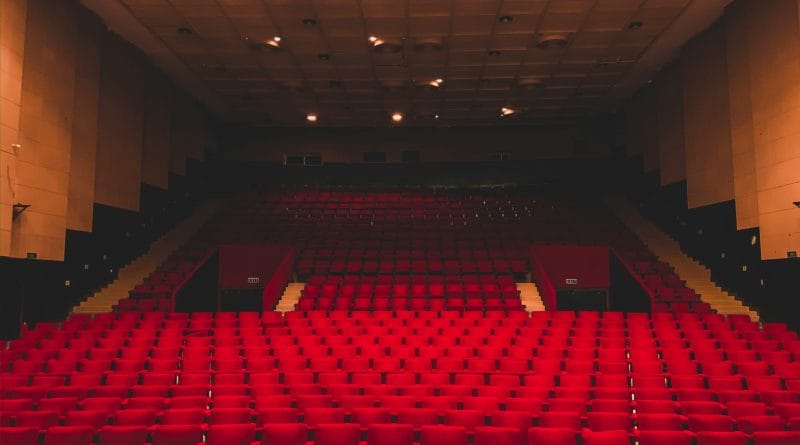
The Death of Cinema? Why Streaming Won the War in 2026
Do you remember the magic of the movie theater? The sticky floors, the smell of buttered popcorn, and the collective gasp of a sold-out crowd?
In 2026, that experience is becoming a relic of the past, like renting a VHS tape or using a payphone.
While Hollywood executives prayed for a post-pandemic recovery, the reality has settled in: The war between the Silver Screen and the Stream is over. Streaming won. It wasn’t a sudden death, but a slow suffocation caused by economics, convenience, and technology.
Here is why the multiplex is dying and why your living room is the new box office.
The Economics of a Night Out
The primary killer of the cinema is not Netflix; it is inflation.
Going to the movies in 2026 is a luxury expense. Between the $20 ticket, the $15 popcorn, and the parking fees, a night out for a family of four can easily exceed $150. For that same price, you can subscribe to Netflix, Disney+, Max, and Apple TV+ for almost an entire year.
In a tight global Economy, the value proposition just doesn’t make sense anymore. Why pay a premium to sit in a room with strangers who talk during the movie, when you can watch the same film in your pajamas for a fraction of the cost?
The Home Theater Revolution
There was a time when the theater offered a visual experience you couldn’t get at home. The screen was bigger, the sound was louder, and the picture was sharper.
That gap has closed. The price of large-format televisions has plummeted. A stunning 85-inch 4K OLED TV is now affordable for the middle class. Soundbars with Dolby Atmos bring 3D audio into the living room without the need for complex wiring.
When your home setup delivers 90% of the cinema quality with 100% more comfort (and the ability to pause for bathroom breaks), the incentive to leave the house vanishes.
The Rise of “Content” Over “Cinema”
The definition of a “movie” has changed.
In the past, a movie was an event. Today, it is “content” to be consumed in the background. The algorithm has trained us to binge-watch series rather than sit through a 3-hour epic.
Services like Netflix produce hundreds of films a year. While critics argue that the quality has dipped, the sheer volume keeps subscribers hooked. The “mid-budget movie”—the romantic comedies, the court dramas, the thrillers—has completely migrated to streaming. Theaters are now reserved exclusively for massive spectacles (like Avatar or Marvel movies). If it doesn’t have explosions, people wait for the streaming release.
The Subtitle Generation
A strange trend has emerged with Gen Z and Alpha: they watch everything with subtitles on.
Whether it’s because of poor audio mixing in modern films (the “Tenet” problem) or the habit of multitasking on a second screen, young audiences prefer reading the dialogue.
In a movie theater, you don’t get subtitles. At home, you do. This seemingly minor feature is a massive accessibility factor that drives younger demographics away from the multiplex and towards the iPad.
Studios Pivot to Digital
Even the traditional studios have surrendered.
The “Theatrical Window”—the time between a movie’s cinema release and its digital release—used to be 90 days. In 2026, it is often 45 days, or sometimes zero (Day-and-Date release).
Studios like Universal and Warner Bros. realized they spend millions marketing a movie for theaters, only to have to market it again three months later for streaming. By shortening the window, they save money. They have accepted that the real long-term revenue comes from recurring subscription fees, not box office spikes.
The “Boutique” Future of Theaters
Does this mean movie theaters will disappear completely? No. But they will change.
The massive 20-screen multiplexes in suburban malls are closing down. In their place, we are seeing the rise of “Boutique Cinemas.” These are luxury venues with reclining leather seats, waiter service, and craft cocktails. They offer an experience that feels like a VIP event.
Cinema is becoming like the Opera or Broadway: a high-end, expensive cultural outing that you do once or twice a year for something special. It is no longer the default Friday night activity for teenagers.
A New Golden Age?
Cinephiles mourn the death of the shared experience, and they have a point. There is something spiritual about laughing or crying in the dark with 300 strangers.
However, the shift to streaming has democratized access. Independent filmmakers can upload their work to global platforms without needing a distributor to book screens in Kansas. We have access to more international films, more documentaries, and more diverse stories than ever before.
Cinema isn’t dead; it just moved. The projector has been turned off, but the screen is brighter than ever—it’s just hanging on your wall.